Table of Contents
Over time, sun exposure, past breakouts, and natural aging can leave behind dark spots, rough patches, and uneven tone. Even with a consistent skincare routine, these changes can make the complexion look flat and tired. This article looks at where these concerns come from and what can be done about them.
A good daily routine goes a long way toward keeping skin healthy. However, some pigmentation and texture issues sit beyond what at-home products can resolve. VI chemical peels are a non-surgical option that targets visible discoloration and smooths surface irregularities by prompting the skin to renew itself in a controlled way.
How do VI Chemical Peels improve hyperpigmentation and uneven skin texture?
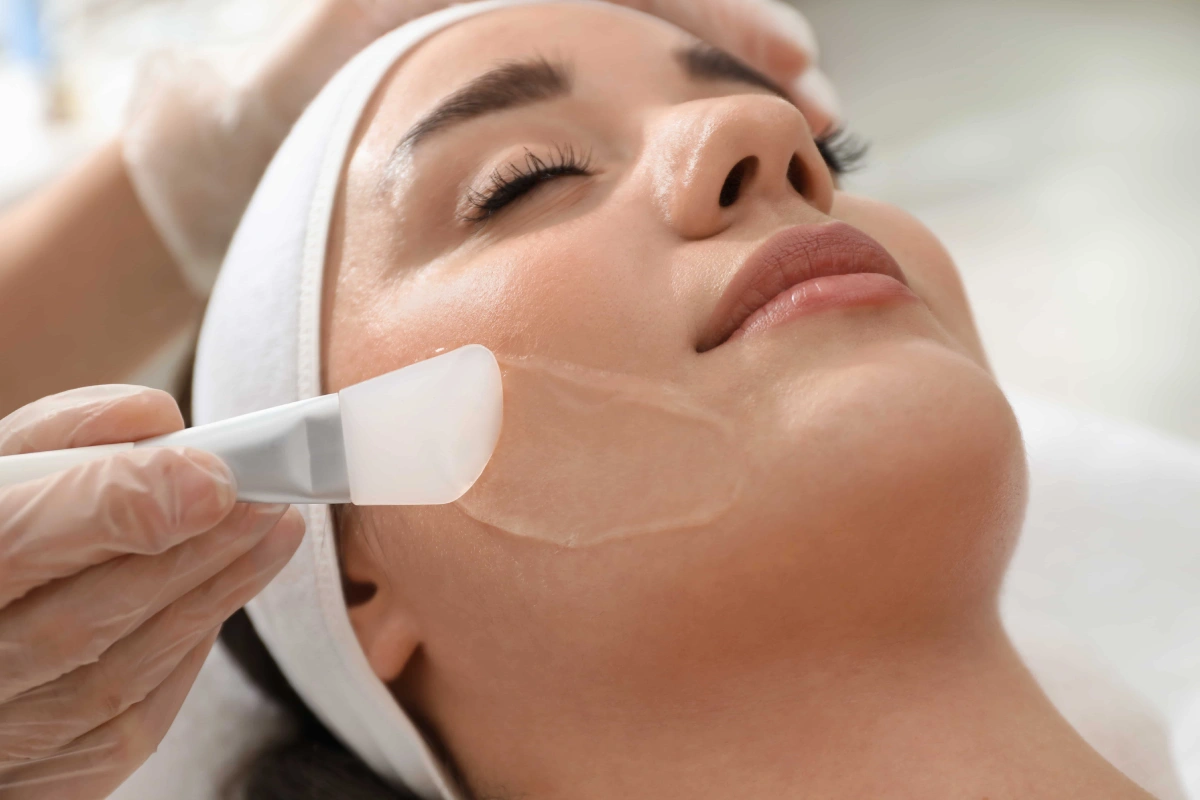
VI Chemical Peels use a combination of exfoliating ingredients to encourage skin cell turnover and remove damaged surface cells. This process may help reduce the appearance of dark spots, post-acne discoloration, and rough patches while promoting a smoother, more even-looking complexion.
Why Hyperpigmentation and Uneven Texture Often Develop Together
Hyperpigmentation happens when parts of the skin make more melanin than they should. By doing so, they produce spots or patches that look darker than the skin around them. Sun exposure, hormonal shifts, inflammation, and acne are some of the most common causes.
Uneven texture usually comes from a buildup of dead skin cells, enlarged pores, fine lines, or shallow acne scars. It often shows up together with pigmentation, since inflammation and environmental damage can change both the color and the surface of the skin.
For example, an inflamed blemish could leave a dark mark while also contributing to changes in the surrounding skin’s texture.
Understanding these overlapping concerns helps explain why VI chemical peels for hyperpigmentation and skin tone may be considered when topical skincare alone provides limited improvement.
How VI Chemical Peels Encourage Smoother Skin
VI chemical peels use a combination of exfoliating ingredients to encourage the shedding of damaged surface cells. Depending on the selected formulation, ingredients may include acids and other agents that promote skin turnover.
The treatment uses controlled chemical exfoliation to clear away the buildup of surface cells that can leave skin looking dull or uneven. Once the skin finishes its renewal cycle, the treated areas tend to look smoother and more even over time.
For anyone dealing with rough skin and visible discoloration at the same time, improving skin texture with advanced exfoliation can address both concerns in one approach.
Unlike physical scrubs, which rely on friction to remove surface buildup, chemical peels use formulated solutions to produce a controlled exfoliating response.
Treatment strength and formulation should be selected according to skin sensitivity, pigmentation patterns, and individual concerns.
Skin Concerns That May Benefit From VI Chemical Peels
Different skin concerns require different approaches. VI peel formulations are designed to address several common complexion issues. These could refer to the following:
- Sunspots and uneven pigmentation: Chemical exfoliation may reduce the visibility of certain darkened areas associated with accumulated sun exposure.
- Post-acne discoloration: Dark marks remaining after blemishes heal may gradually become less noticeable as skin turnover progresses.
- Rough surface texture: Removing accumulated dead skin cells can help improve the appearance and feel of uneven skin.
- Fine lines: Certain formulations may soften the appearance of superficial lines associated with aging and environmental exposure.
- Acne-related concerns: Selected peels may help improve blemish-prone skin and the appearance of residual marks.
For individuals interested in treating sun damage and dark spots with chemical peels, the nature and depth of pigmentation influence which formulation may be appropriate.
Deeper scarring and certain forms of discoloration may require additional treatment methods.
Why Pigmentation Depth Influences Treatment Results
Not every dark spot responds equally to exfoliation. Pigmentation located closer to the skin’s surface may respond differently from discoloration involving deeper skin layers.
Superficial pigmentation can sometimes become less noticeable as damaged surface cells shed. Deeper pigmentation, including certain cases of melasma, may require a more cautious treatment strategy.
Aggressive exfoliation can also worsen discoloration in individuals susceptible to post-inflammatory hyperpigmentation.
For this reason, addressing stubborn pigmentation through medical grade exfoliation requires consideration of skin tone, pigment history, and sensitivity rather than simply choosing the strongest available peel.
A professional assessment can help determine realistic expectations and reduce the likelihood of unnecessary irritation.
What Happens During Skin Recovery After a VI Peel?
The exfoliation process continues after the chemical solution has been applied. Some individuals notice mild tightness, dryness, or temporary discoloration before visible peeling begins.
For facial VI Peels, shedding commonly starts around the third day and may continue for several days, although individual experiences vary.
During recovery, the skin needs appropriate care to support healing. Pulling loose skin, using abrasive products, or introducing strong exfoliating ingredients may increase irritation.
Sun protection is especially important because recently treated skin can be more vulnerable to ultraviolet exposure.
Following the prescribed aftercare instructions supports restoring skin radiance with professional peel care while helping protect the skin during its recovery period.
H-Town Aesthetics: Facial Peeling Treatment in Katy, TX
At H-Town Aesthetics, we offer facial peeling treatment in Katy, TX, using VI Chemical Peels to address concerns involving pigmentation, rough texture, acne-related discoloration, and visible signs of aging.
Our available options include VI Peel Original, Precision Plus, Purify, Purify Precision Plus, and Advanced. Each formulation addresses different skin concerns, allowing us to consider treatment selection based on individual needs.
Our team at H-Town Aesthetics understands that skin discoloration can have several contributing factors. Our approach emphasizes evaluating concerns and discussing suitable options rather than assuming every patient requires the same peel.
Patients interested in improving uneven skin tone or texture can schedule a consultation with us to discuss VI Chemical Peels and determine an appropriate treatment plan.
Schedule your consultation to discuss your concerns and find out which VI Peel formulation may be appropriate for your skin.
Frequently Asked Questions
Can VI Chemical Peels Help With Old Acne Marks?
VI Chemical Peels may gradually reduce the appearance of post-inflammatory dark marks, although deeper acne scars may require other treatments.
Are VI Chemical Peels Appropriate for Darker Skin Tones?
VI Chemical Peels have formulations designed for different skin tones, but professional assessment remains important to minimize pigmentation complications.
How Many VI Chemical Peel Sessions Are Typically Needed?
The recommended number of sessions depends on pigmentation severity, skin condition, treatment goals, and individual response.