Skip to content
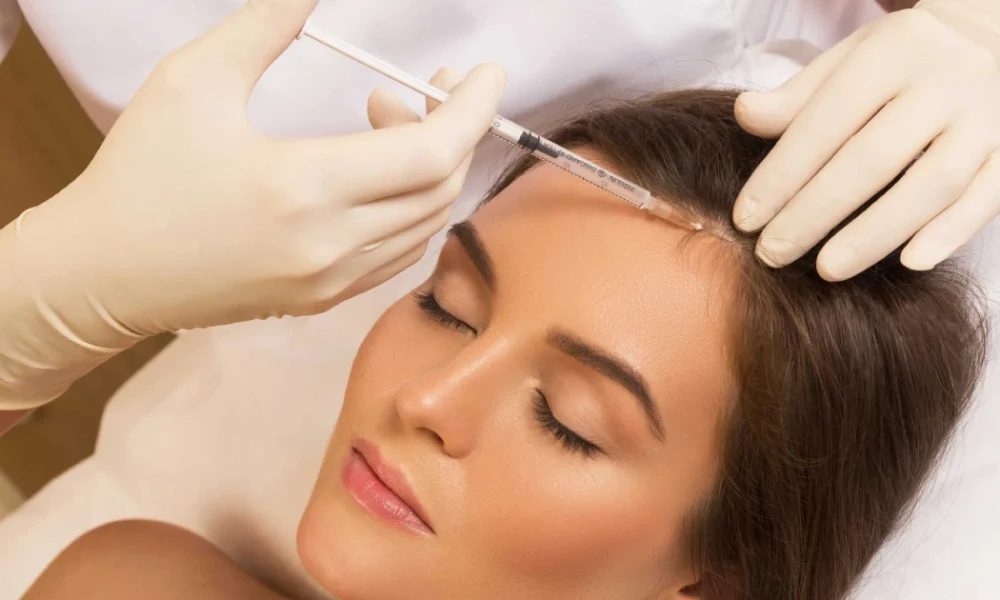
Table of Contents
Hair loss slowly chips away at someone’s confidence. This effect leaves many patients feeling frustrated after trying products that promise results yet fall short.
Hair restoration offers a more effective path forward by targeting the root causes of thinning. Add to this the fact that it even supports healthier and fuller hair through proven medical solutions.
What Does Hair Restoration Really Mean?
The term “hair restoration” is often misunderstood. It does not describe one single procedure or product. Instead, it refers to a group of medical and aesthetic approaches designed to produce the following results:
- Slow hair loss
- Strengthen existing hair
- Encourage new growth when possible
A true hair loss treatment plan looks beyond surface-level symptoms. Rather, it considers certain factors like scalp health, blood flow, follicle activity, hormones, and genetics. The goal is to produce an environment where hair follicles can function more effectively. This strategy is far better than simply masking thinning areas.
Hair restoration can also be preventive, restorative, and supportive. This will depend on the stage of hair loss. For many patients, early intervention plays a key role in maintaining density. It also helps improve long-term outcomes.
Why Hair Loss Happens in the First Place
Hair loss has many contributing factors. In fact, it is rarely caused by just one issue.
- Genetics often play a role, especially in pattern hair loss.
- Hormonal changes can disrupt the natural growth cycle.
- Stress, illness, nutritional deficiencies, and inflammation may also interfere with follicle function.
As hair follicles weaken, they spend less time in the growth phase and more time resting. Over time, the hair becomes thinner, shorter, and less pigmented. Eventually, some follicles may stop producing visible hair altogether.
Understanding the above-mentioned process will help explain why consistent, targeted care matters.
Exploring Hair Regrowth Solutions
We are convinced that there is no universal approach to regrowing hair. Effective hair regrowth solutions are tailored to the patient’s needs. In some cases, it is often combined with multiple therapies.
Some hair regrowth plans focus on stimulating dormant hair follicles. Others are centered on improving scalp circulation or supporting healthier hair strands.
Professional hair restoration treatments are designed to address these underlying mechanisms rather than offering temporary cosmetic improvements. Results develop gradually as the hair growth cycle responds to treatment.
Non-Surgical Hair Restoration Options
Non-surgical hair restoration procedures have become a go-to option for many since they offer minimal downtime and natural-looking results. These treatments aim preserve existing hair and encourage regrowth without resorting to incisions or extended recovery.
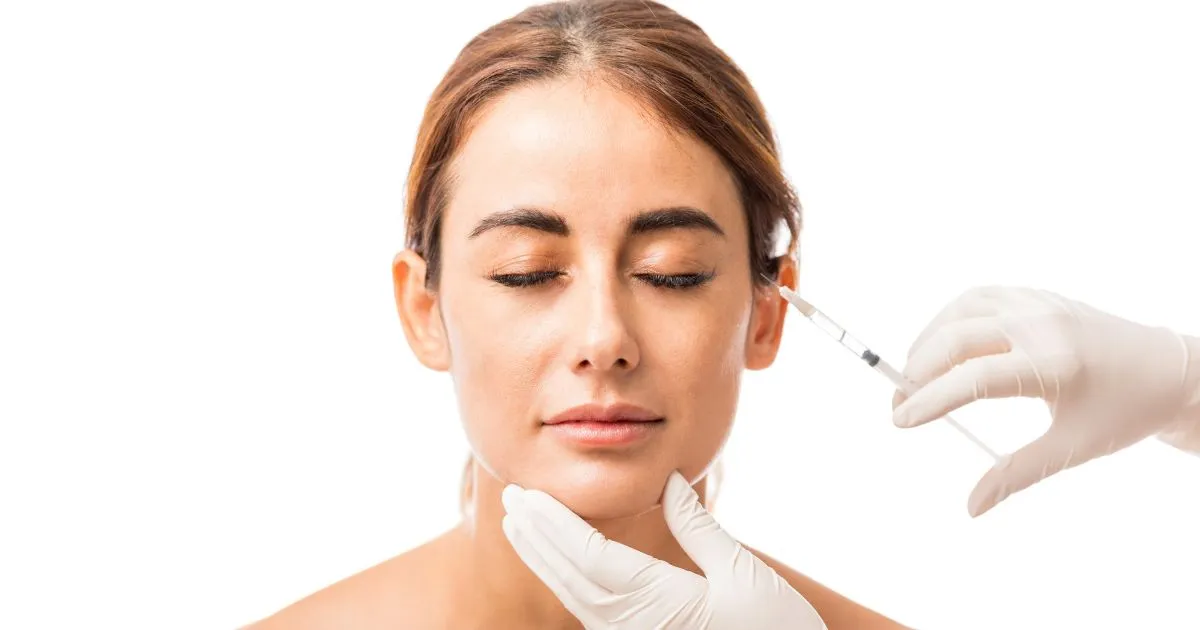
Common non-surgical approaches include medical-grade topicals, microneedling, growth factor therapies, and injectable treatments that improve follicle signaling. Each method is especially effective for early to moderate thinning. Moreover, they are a preferred procedure for patients avoiding surgery.
Non-surgical treatments also play an important role after surgical procedures by supporting healing and maintaining results.
PRP for Hair Loss: A Closer Look
PRP for hair loss is a renowned hair restoration technique for some good reasons.
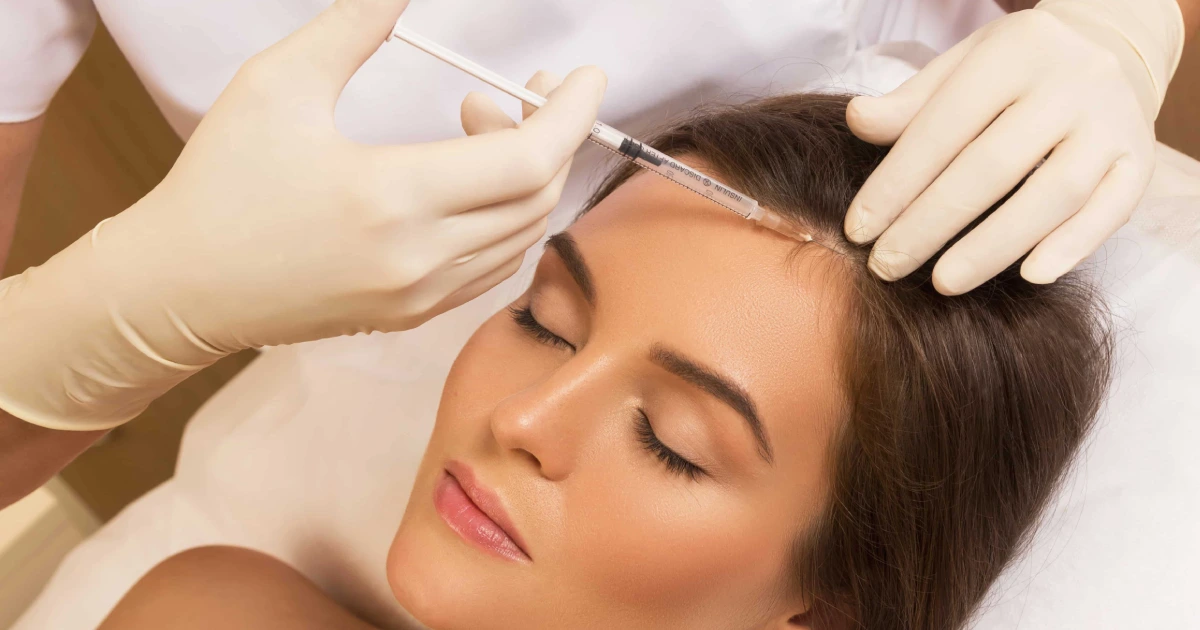
PRP stands for Platelet-Rich Plasma. It uses the patient’s body’s own growth factors to stimulate hair follicles and support healthier hair production.
The process begins with a small blood draw. That blood will undergo a specific process to concentrate platelets, which are rich in proteins that support tissue repair and regeneration.
Once injected into the targeted areas of the scalp, PRP can help improve blood flow and cellular activity surrounding weakened follicles. Over time, this procedure will lead to thicker strands, reduced shedding, and improved density.
PRP does not create new follicles. However, it can help revive those that are classified as dormant and underperforming.
Patients often choose PRP because it is natural, minimally invasive, and compatible with other hair restoration therapies. Results develop gradually, typically over several months, as hair growth cycles respond to treatment.
Surgical Hair Restoration Explained
Surgical hair restoration involves relocating hair follicles from areas of dense growth to regions experiencing thinning and baldness. The approach is commonly used for patients with more advanced hair loss. In these cases, hair follicles are no longer active.
Hair transplant techniques have evolved significantly over the past years. Modern methods focus on precision and natural placement to create realistic results. A comprehensive hair transplant guide will often explain the difference between follicular unit extraction and follicular unit transplantation. This also includes recovery expectations and candidacy.
Surgery is not the right choice for everyone. Many patients benefit from non-surgical treatments either before or after a transplant to protect existing hair and enhance outcomes.
Hair Restoration Versus Hair Transplants
Hair restoration in Katy, TX, and hair transplants are often discussed as opposing options. However, they actually serve different purposes.
- Restoration therapies aim to strengthen and preserve natural hair.
- Transplants address areas where follicles are no longer active.
For many patients, the most effective approach combines both strategies. Restoration treatments can slow further loss and improve scalp health. On the other hand, transplants address areas of permanent thinning.
Understanding the said distinction helps patients make informed decisions based on their goals and stage of hair loss.
Who Is a Good Candidate for Hair Restoration?
Hair restoration works best for patients who still have active or partially active hair follicles.
Early thinning, diffuse shedding, and mild to moderate hair loss often respond well to treatment. Men and women of various ages may benefit, depending on the underlying cause.
A professional evaluation helps determine which therapies are appropriate for a patient’s specific needs. actors such as medical history, lifestyle, and hair loss pattern all influence results. Setting realistic expectations is an important part of the process.
What Results Can You Expect?
It is important to emphasize that hair restoration is a gradual process. Improvements typically appear over months rather than weeks. Patients may also notice reduced shedding first, followed by improved texture and density.
Consistency matters. Most treatment plans involve a series of sessions and ongoing maintenance to support long-term results. While outcomes vary, many people experience noticeable improvements that help them feel more confident in their appearance.
Is Hair Restoration Worth Considering?
Choosing hair restoration is a personal decision. For many, it represents an opportunity to take control of hair loss instead of feeling powerless.
Modern treatments offer more options than ever. Several approaches prioritize safety, natural results, and long-term health.
A professional consultation provides clarity and direction. Understanding your options makes it easier to choose a plan that aligns with your goals and lifestyle.
Hair restoration is not about perfection. It is about progress, confidence, and supporting your hair at every stage of life.
H-Town Aesthetics Hair Restoration in Katy, TX
Hair loss affects more than appearance. It impacts confidence and self-image in deeply personal ways. Watching hair thin or recede can feel discouraging, especially after trying products that promise results but deliver little change.
At H-Town Aesthetics, the focus is on personalized care and evidence-based treatments. Their approach to Hair Restoration in Katy, TX, includes advanced options like PRP for hair loss and innovative regrowth therapies designed to work with your body’s natural processes. These treatments aim to stimulate dormant follicles, strengthen thinning strands, and support healthier hair growth over time.
Book a consultation to explore treatments.
Frequently Asked Questions
How long does hair restoration take to show results?
Most hair restoration treatments produce visible improvement over three to six months as hair follicles gradually reenter the growth phase.
Is non-surgical hair restoration painful?
Non-surgical hair restoration treatments are generally well tolerated, with most patients describing only mild discomfort during sessions.
Can PRP for hair loss work for both men and women?
PRP for hair loss can benefit both men and women experiencing thinning hair when active follicles are still present.
Will hair restoration stop future hair loss?
Hair restoration can slow progression and improve hair quality, but ongoing maintenance is often needed to protect long-term results.
Do I need a hair transplant to restore thinning hair?
Many people achieve noticeable improvement through non-surgical hair restoration without ever needing a surgical procedure.